Across more than 70 events, Alianza member funds made visible the practices, priorities, and proposals of the Global South.
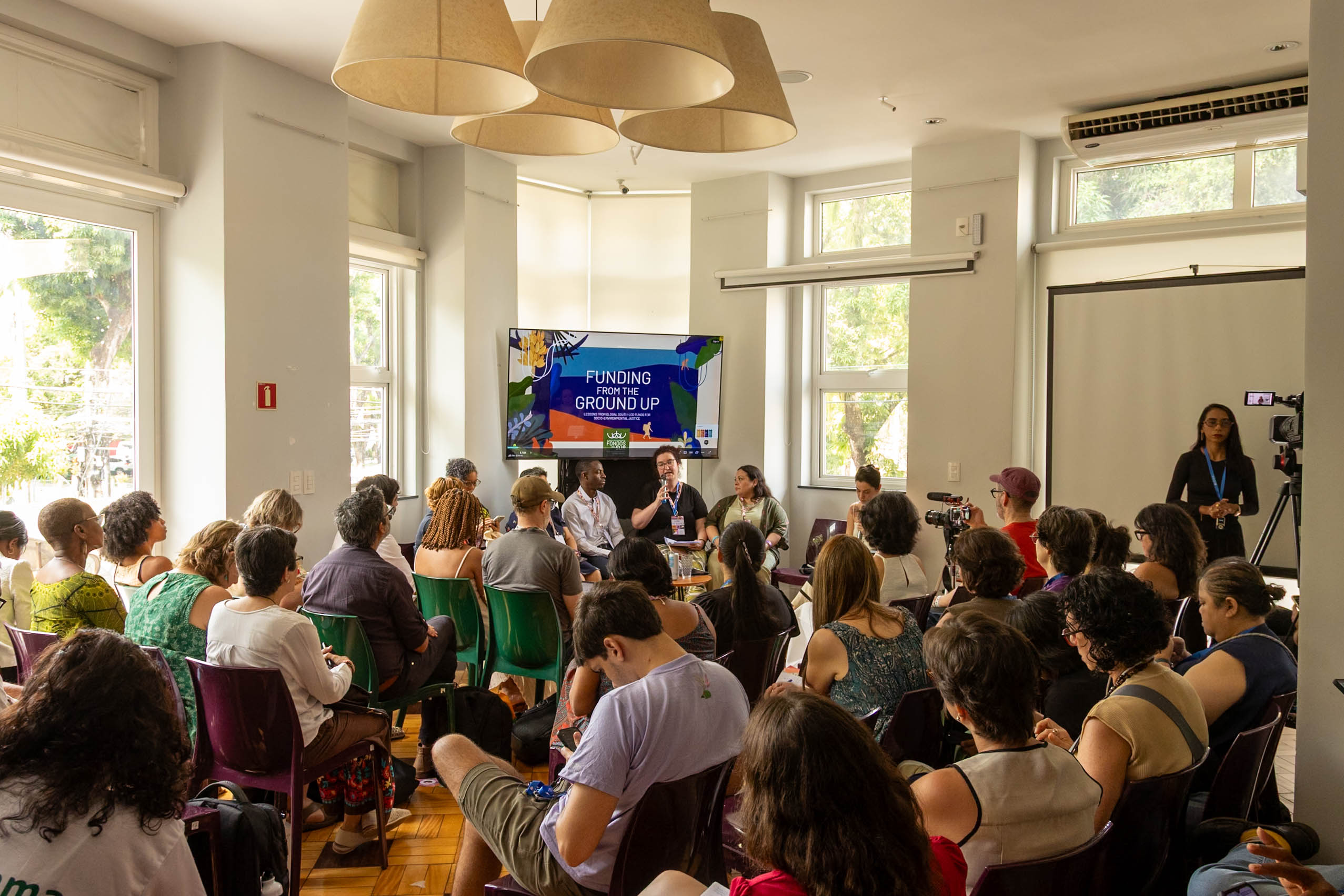
The 30th United Nations Conference of the Parties (COP30) in Belém featured an unprecedented presence from the member funds of the Alianza Socioambiental Fondos del Sur. They participated in over seventy events throughout the Blue Zone, the Green Zone, civil society spaces, and, notably, The Global South House, Alianza’s flagship space for contributing to this pivotal moment in Belém, created to center Global South leadership and funding perspectives.
This diverse engagement reflected the range of agendas advanced by Global South funds: locally-led climate finance, territorial justice and the protection of defenders, sociobiodiversity and local economies, food systems and agroecology, youth leadership and education, as well as gender and social justice.
Across these discussions, one idea became clear: Global South funds do not come to the COP merely to respond to decisions; they come to broaden the debate, contest narratives, and present concrete pathways for solutions. In Belém, this contribution was visible not only in the number of events but in the depth of the conversations, which consistently linked local realities to the structural gaps of the global climate finance system.
The Global South House: a space imagined by and for the South
In this context, The Global South House, this new platform created with our partner Rede Comuá, became one of the most vibrant spaces during COP30. It offered a place where funders, organizations, collectives, and community leaders from different regions could meet, exchange, and build together.
Throughout the seven-day program, the South House hosted dialogues and collective reflections that underscored the importance of strengthening funding infrastructures grounded in place and capable of responding to socio-environmental challenges with legitimacy and agility.
More than a venue, The Global South House became a political and cultural landmark, a living affirmation that the knowledge, leadership, and solutions of the Global South are not peripheral but central.
COP30 Outcomes: Progress and Gaps
The official outcomes of COP30 reflected a mix of progress and constraints. The adoption of adaptation indicators, the approval of the just transition mechanism, and the inclusion of Indigenous and Afro-descendant rights represent tangible steps toward aligning global frameworks with territorial realities. These are victories aligned with the priorities championed by Global South organizations for decades.
But important shortcomings remained. The political momentum behind the roadmaps to phase out fossil fuels and end deforestation, supported by dozens of countries and celebrated across civil society, did not translate into formal decisions. Climate finance, a long-standing demand of developing countries, was again tied to a process that lacks guarantees of public, predictable, and fair resources.
As global negotiations struggled to secure clarity on fossil fuels and finance, the voices from the territories continued to offer direction and concrete models for what effective climate action looks like.
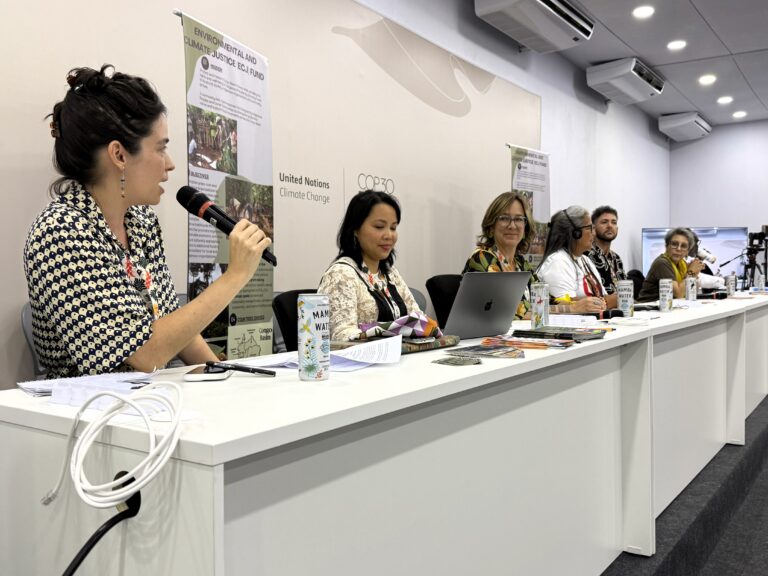
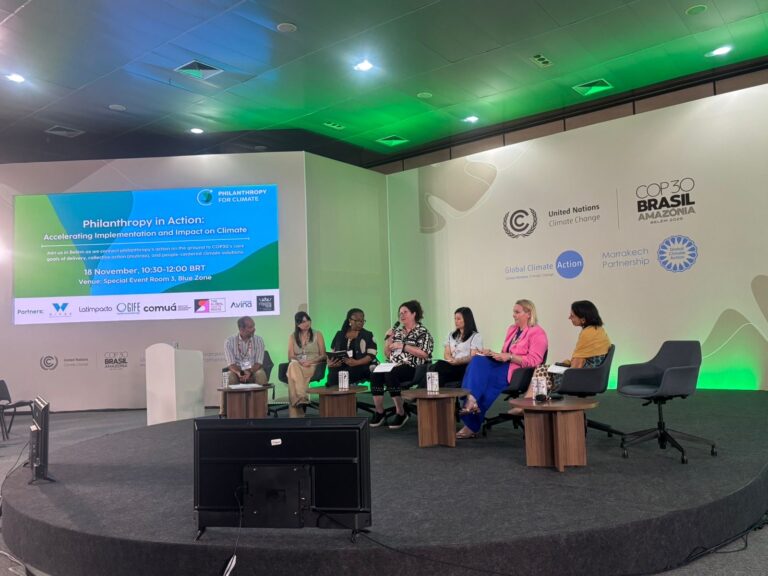
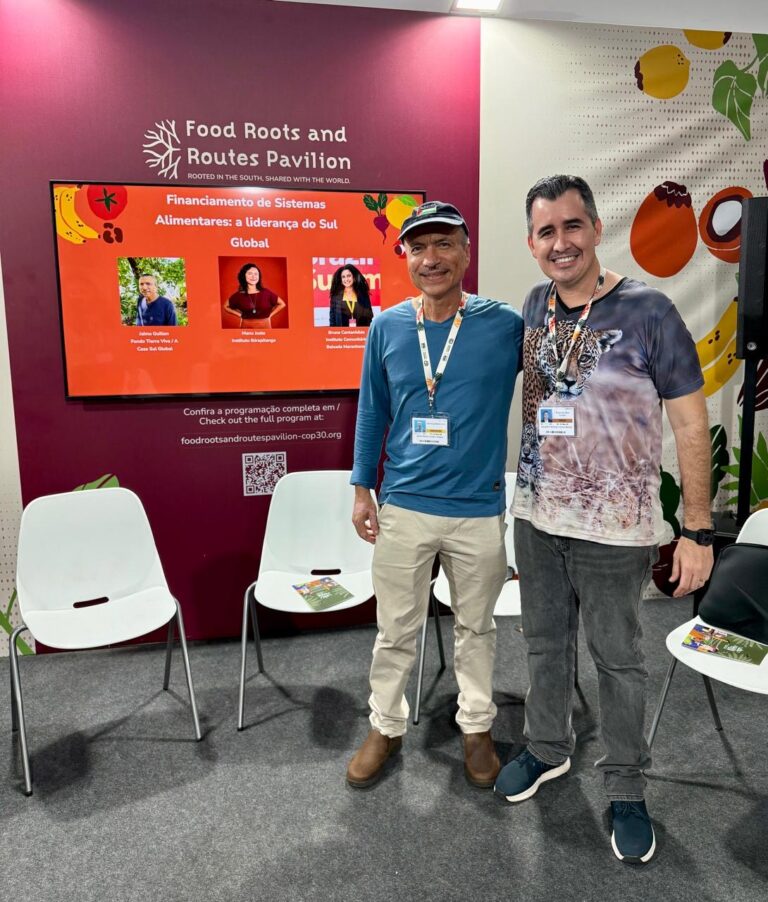
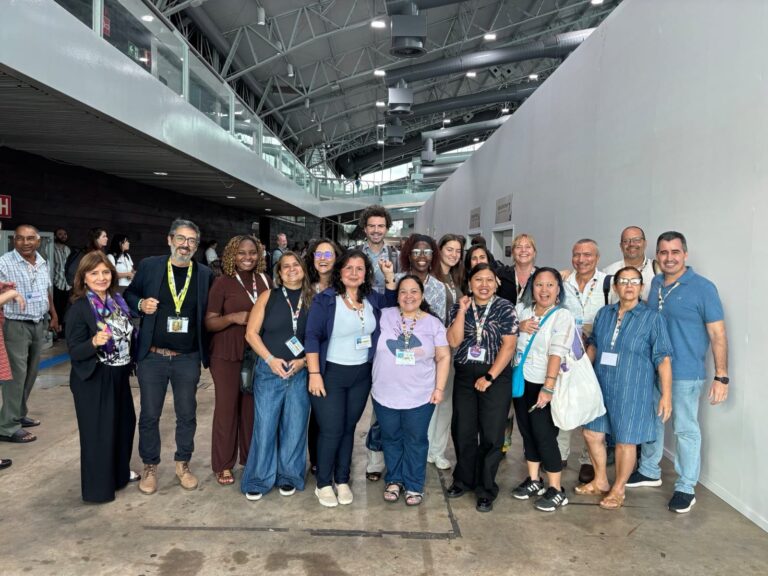
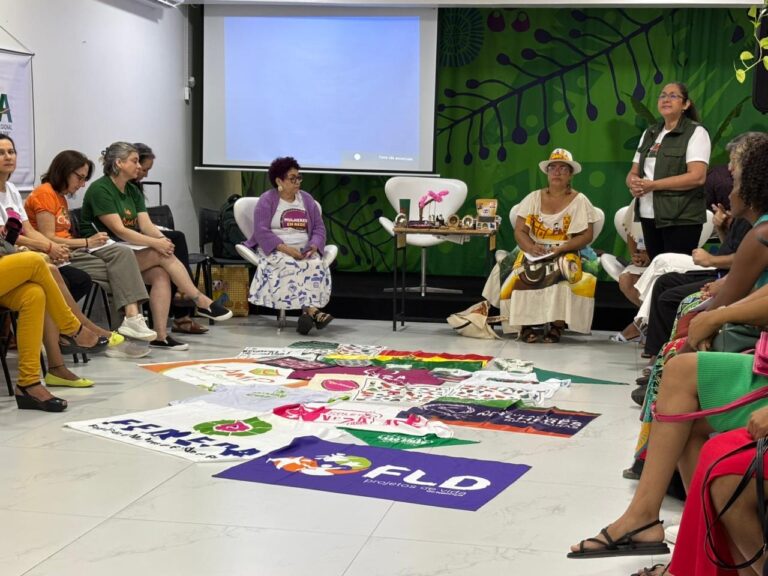
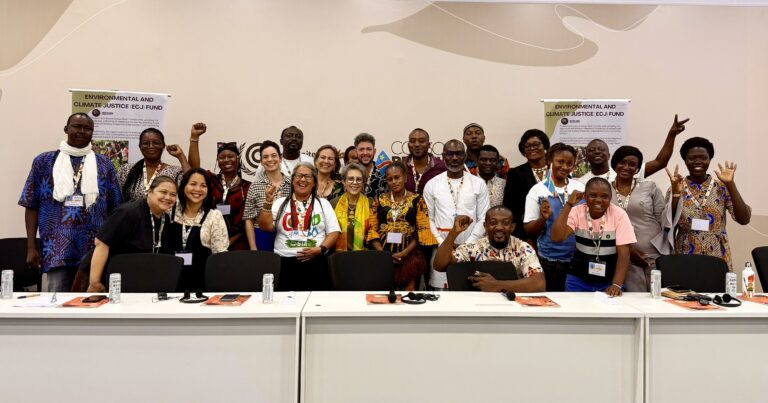
Alianza in Belém
Against this backdrop, the strong presence of Alianza and its member funds offered a glimpse of what effective, legitimate climate action looks like when it emerges from local leadership.
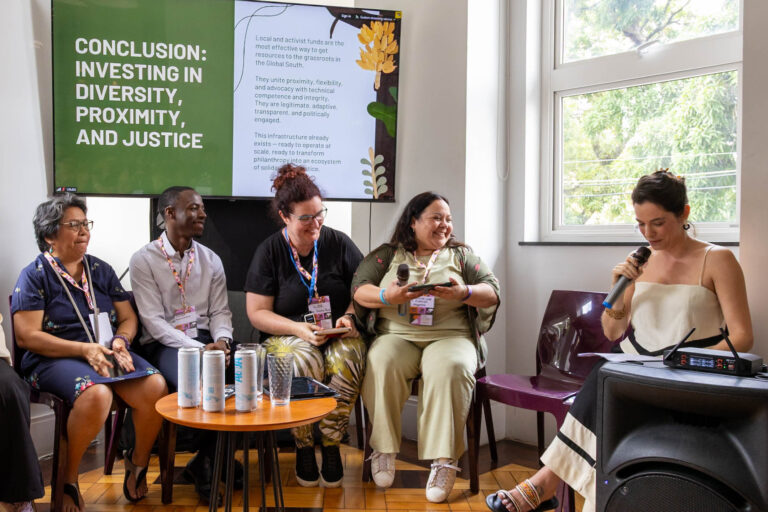
This was reinforced by the launch of “Funding from the Ground Up: Inside the Member Funds of Alianza – The Socio-Environmental Funds of the Global South“, a publication that systematizes the practices and experiences of Alianza’s sixteen member funds. The research demonstrates how Global South–led models are already generating consistent, community-rooted, and politically meaningful results, often with far fewer resources than large-scale climate finance mechanisms.
The experiences shared by community-rooted funds made visible forms of governance, accountability, and impact that challenge the assumptions embedded in traditional climate finance. These funds show that territorial proximity is a form of expertise. That flexibility and participation are not risks – they are safeguards. And that models designed by, with, and for communities can deliver results that are socially, environmentally, and politically transformative.
Community-led adaptation, sociobiodiversity economies, feminist approaches to climate justice, food system transitions, and the protection of defenders are not abstract commitments; they are operational realities sustained by local funds across Latin America, Africa, and Southeast Asia.
Looking forward: scaling what works
The experience in Belém reinforced a central lesson: transforming the global climate finance architecture requires more than incremental negotiations, it demands heightened support for the infrastructure already on the ground. The Alianza leaves COP30 with strengthened partnerships and renewed will to continue shaping the global conversation from the perspectives and priorities of the territories.
Belém reminded the world that while the political system moves slowly, the territories continue to act with urgency. The challenge ahead is ensuring that global commitments and financial flows meet this urgency — not in rhetoric, but in practice.