Lessons from the early years of three Latin American socio-environmental funds.
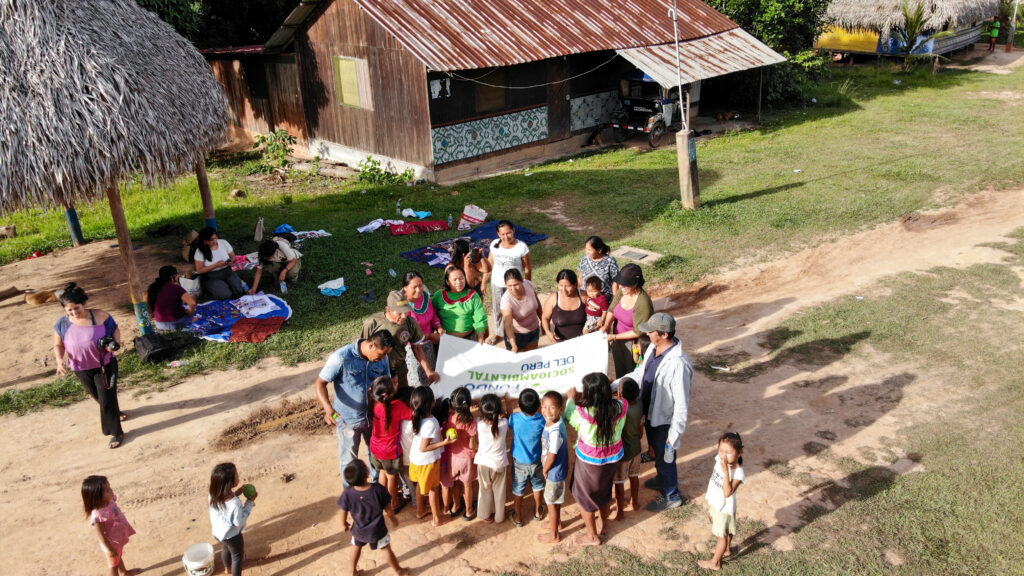
There is something particular about looking at the journeys of three socio-environmental funds that emerged within months of one another, in three different South American countries. Fundación Socioambiental Semilla and Fondo Socioambiental del Perú turn seven in 2026. Fondo Emerger, in Colombia, turns six. Their journeys show why building funds closer to the territories matters, but also how much time, trust, and learning it takes to build different ways of funding.
Across Bolivia, Peru, and Colombia, communities and local organizations were confronting wildfires, deforestation, mining, illicit economies, territorial conflicts, and other growing pressures, while many funding opportunities continued to be designed far from the territories, with requirements, timelines, and mechanisms that were difficult to reconcile with local realities.
The three funds emerged in the gap between those who had access to resources and those sustaining responses on the ground. They also share a common origin story. For years, Brazil’s Casa Socio-Environmental Fund shared with activists across South America the model it had developed to get resources directly into the hands of organizations and communities protecting their territories.
The idea was not to replicate that model, but to make accumulated knowledge, tools, funder relationships, and experience available so that new leaders could build their own structures, adapted to each context. As Maria Amália Souza, one of Fundo Casa’s founders and now Director of Global Philanthropy Strategies, recalls, the motivation was simple: if resources were not reaching the people protecting these territories, mechanisms capable of doing so had to be built.
Through these exchanges, visits, and ongoing support, Semilla, Fondo Perú, and Emerger took shape between 2018 and 2019. Each went on to follow its own independent path, and that experience of collaboration would also become one of the seeds of what later became the Alianza.
Six and seven years on, perhaps one of these funds’ most important lessons is that bringing money closer to the territories is only one part of the work.
Trust does not begin with a call for proposals
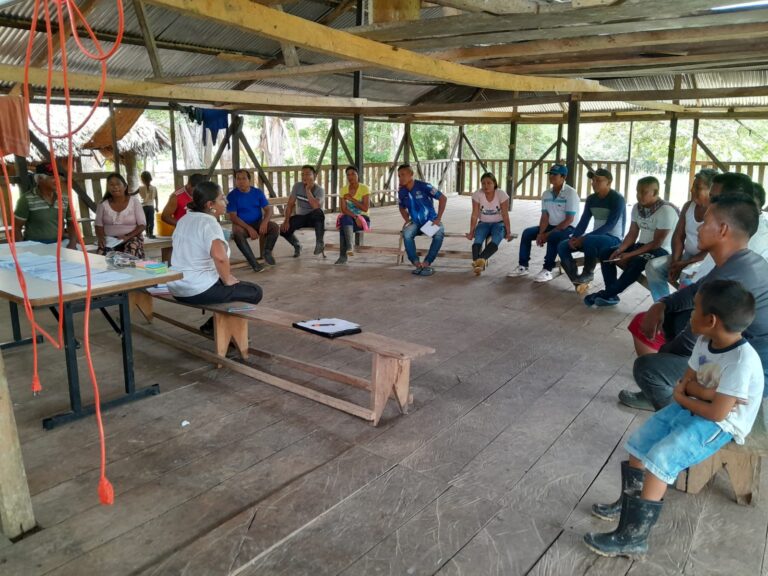
When Fondo Emerger launched its first call for proposals, it struggled even to find enough applications to support nine projects. Two years later, a new call received more than 700 applications.
For Juan Mira, Executive Coordinator of Fondo Emerger, the experience revealed a simple lesson, but one that cannot be rushed: “Trust is built through actions.” Building a new funding mechanism, even within a single country, takes time, presence, and perseverance.
Semilla came to a similar conclusion. If it could go back to 2019, it would hold on to the same conviction that led to the fund’s creation, but would begin with the understanding that mobilizing resources would not necessarily be the hardest part. As Eduardo Franco Berton, President of Fundación Socioambiental Semilla, explains:
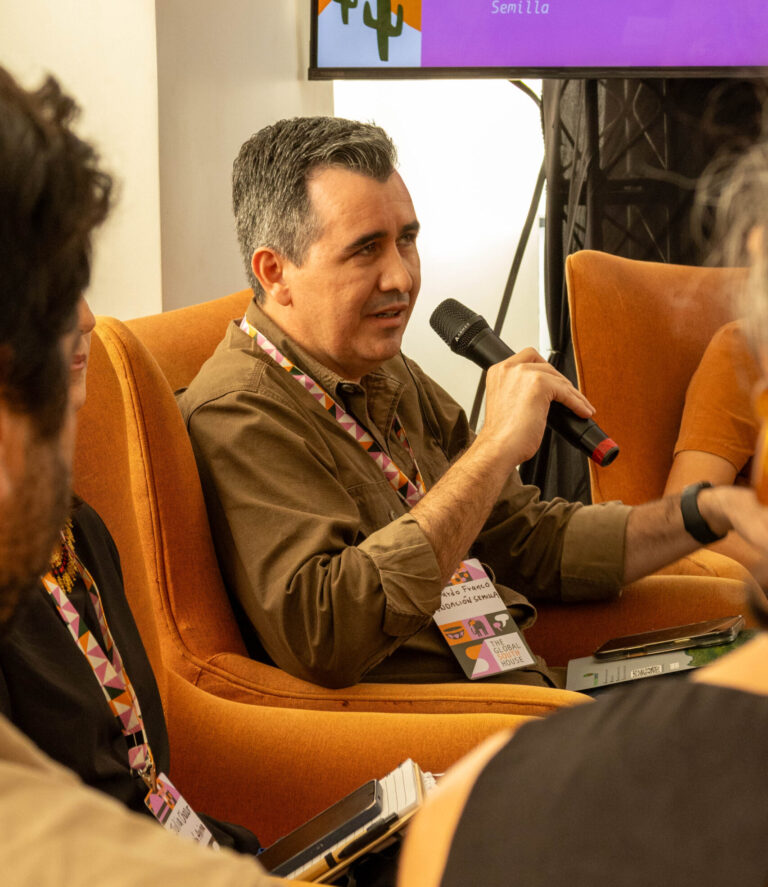
“The real challenge is building relationships of trust, understanding the dynamics of each territory, and accompanying processes that do not always move at the pace of projects, budgets, or funding cycles.”
In Peru, the lesson was even more direct. Securing funding was not the hardest part. What changes a process is sitting down, listening, shaping an initiative together with people, and coming back later to understand what happened, even beyond the formal end of a project.
That experience also changed the way the funds understand accompaniment.
Funding an organization that has never managed a grant before, for example, does not simply mean making a form easier to complete. It can mean helping the organization shape its own initiative, build a budget, strengthen its systems, connect with other actors, or gain enough confidence to pursue new opportunities later on.
For Semilla, this becomes visible when an organization that initially doubted its ability to manage a project goes on, over time, to develop new proposals, build alliances, participate in decision-making spaces, and share its knowledge with other organizations.
In this sense, funding becomes more than a transfer of resources. It becomes part of a strengthening process that can continue long after a grant has ended.
Proximity means knowing what a form cannot tell you
After these first years of experience, the three funds can also describe more precisely what it means to be a local fund.
It is not simply about having an address in the same country. It means knowing the actors, conflicts, and risks present in a particular territory. Being able to work in local currencies and languages. Understanding why a timeline needs to change, who needs a rapid response in an emergency, or why an organization that has not yet formalized may be precisely the one doing essential work. Lylian Delgadillo, Executive Director of Fondo Socioambiental del Perú, describes the difference in particularly concrete terms:
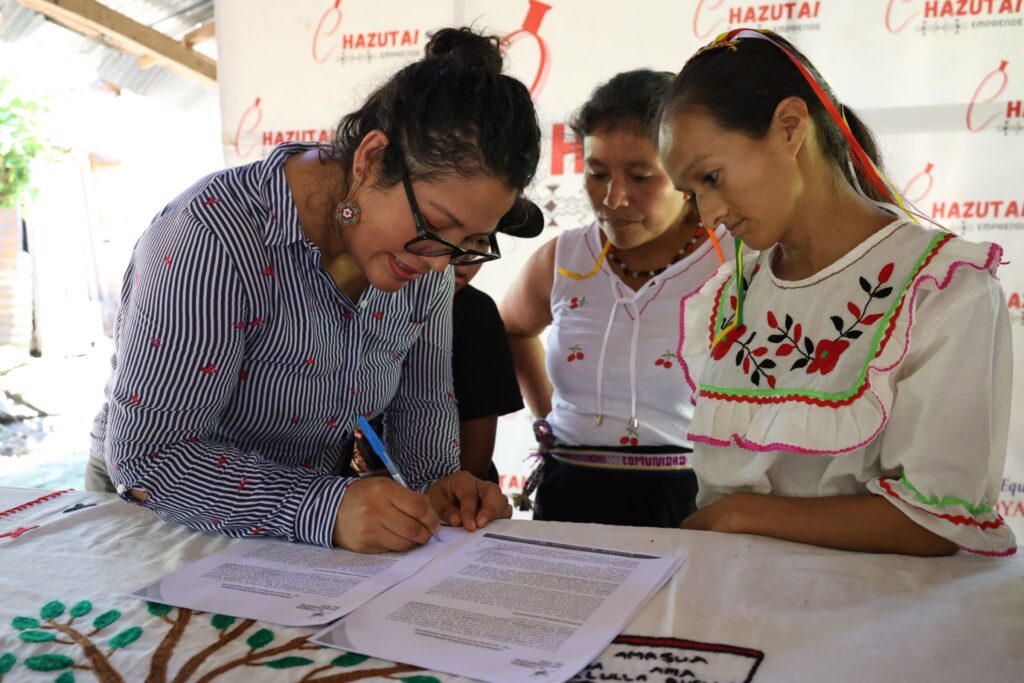
“We are part of the same socio-environmental cause; we do not look at it from above. That allows us to speak the language of the place, provide support in our own currency, and understand what a form can never tell you: who can be trusted, what the real need is, how much time each community has to respond.”
Proximity also changes how risk is understood. Emerger points out that relationships built locally and deep knowledge of the context make it possible to support smaller or less experienced organizations that are often excluded by traditional due diligence processes.
Semilla adds another dimension: a local fund also translates in both directions. On one side, it helps funders understand local priorities, timelines, and realities that are difficult to capture in indicators or project documents. On the other, it supports organizations in navigating the world of international cooperation without having to give up their identity, their ways of organizing, or control over their own agendas.
That is why proximity is not simply a matter of geography. It is a relationship built with a territory and a shared responsibility for how funding happens.
What remains after the funding ends
The testimonies of the three funds also reveal a different way of looking at their own results.
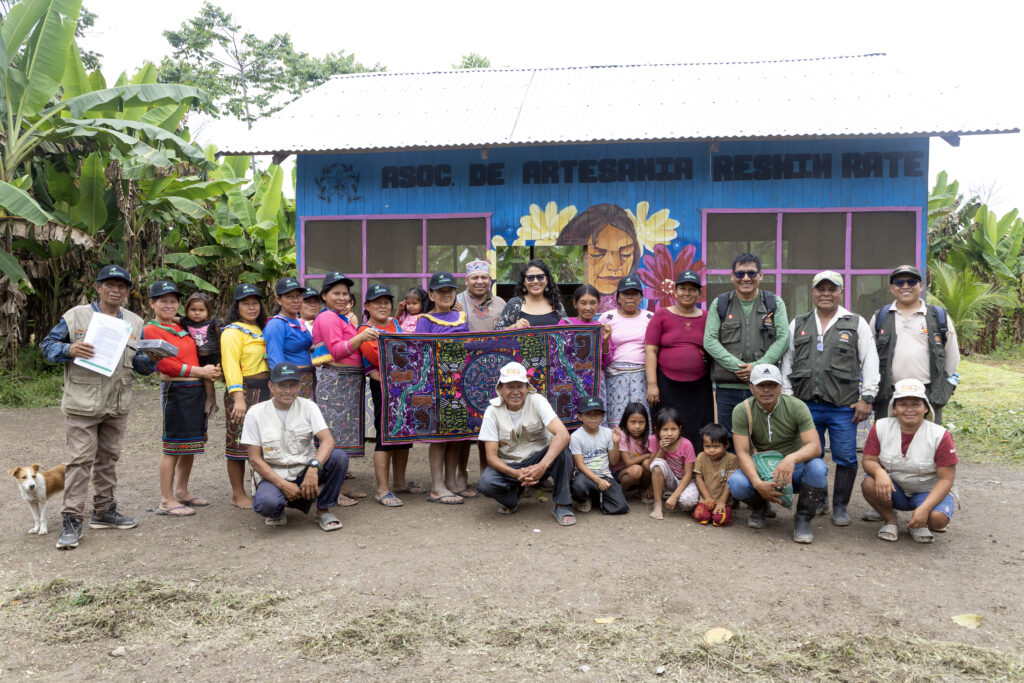
In Peru, the first images that come to mind when reflecting on these seven years are not numbers. They are Ticuna women artisans who found the confidence to formalize their association amid the pressure of illicit economies; Asháninka leaders strengthening the defense of their ancestral territories; Indigenous defenders, local artists, farmers, and park rangers who took part in training and returned to their territories better equipped for what lay ahead.
“That does not mean the threats they face have disappeared. They will still be there. But now they do not face them alone: there is a stronger organization, a new leader, a network sustained through the annual gatherings we organize.”
Perhaps this is one of the statements that best captures what these journeys teach us. Strengthening an organization does not bring a territorial conflict to an end. A small grant cannot, on its own, stop the expansion of an illicit economy. The existence of a local fund does not automatically change the power dynamics of international philanthropy.
But some things begin to exist where they did not exist before.
An organization is able to keep going. A leader gains experience. A group manages resources directly for the first time. Networks form across territories. People who would otherwise struggle to reach certain spaces begin to enter them with their own voices.
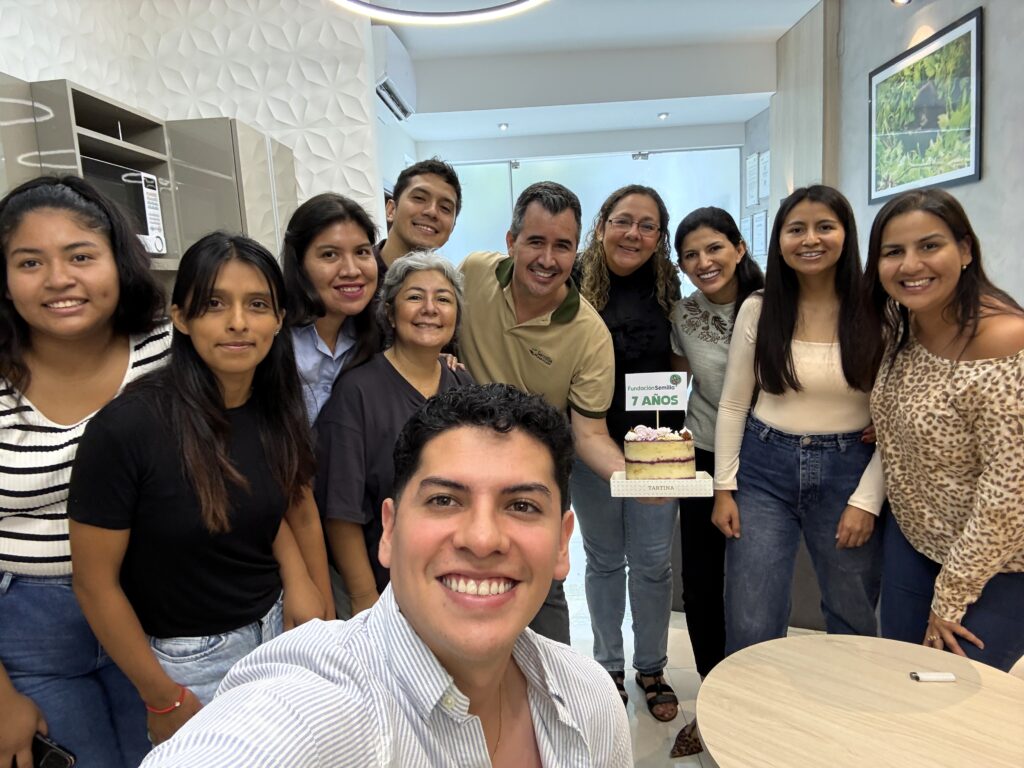
In 2025, for example, Semilla supported 96 initiatives through projects, emergency responses, and capacity-strengthening efforts. That same year, for the first time, the fund enabled four community leaders to participate directly in COP30.
For Emerger, this dimension goes even further. In territories marked by the presence of armed actors, illicit activities, and institutional fragility, strengthening local actors is part of what makes the defense of human rights, biodiversity, and the commons possible.
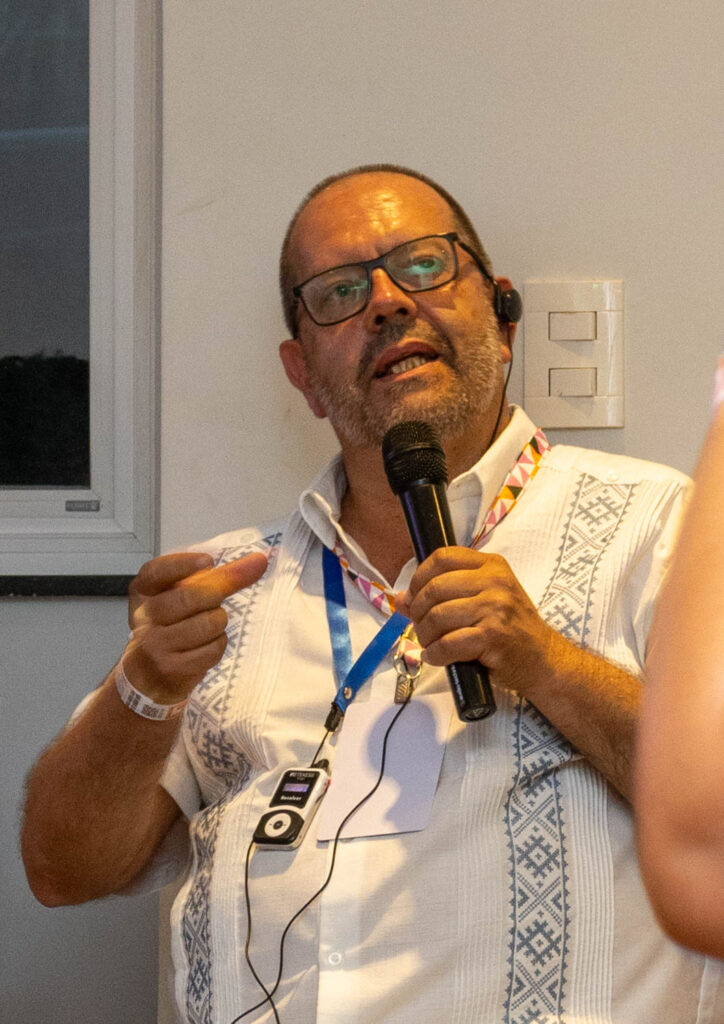
“It is possible to build a new model of philanthropy, but it is also possible to build a new model of society, one that is more collaborative, more solidaristic, and more equitable. Local funding is key because it allows organizations to remain, fulfill their missions, and mobilize society.”
The discourse has changed. The numbers, much less so.
The three funds recognize that the language of philanthropy has changed over these years. Today, there is far more discussion of trust, locally led funding, flexibility, participation, and shifting power.
Even so, none of them mistakes a shift in discourse for structural transformation. “At least the discourse is changing. The numbers still need to improve,” Juan says.
Semilla notes that a significant share of resources and decision-making remains concentrated far from the territories, while smaller organizations continue to face disproportionate requirements and evaluation mechanisms that fail to reflect the complexity of the processes they lead.
Fondo Perú is equally cautious. There is a movement toward a greater redistribution of power, Lylian acknowledges, but it would be dishonest to say it has gone far enough. Even some of the terms now used internationally to describe this shift do not always capture practices that have existed in the territories for far longer, such as ayni, minka, and trueque, rooted in reciprocity, collective work, and mutual support.
Local funds did not create this movement on their own. It is the result of decades of work by communities, movements, organizations, and allies who have challenged who gets to decide, who manages resources, and who determines what counts as knowledge within philanthropy.
But the existence of these funds makes something concrete visible: in practice, other ways of funding are possible.
The work remains unfinished
An institutional anniversary usually invites us to take stock of everything that has been achieved. The stories of Semilla, Emerger, and Fondo Perú suggest something different: six or seven years are enough to recognize what has been built, but also to understand that this work remains unfinished.
“Above all, we learned that the learning never ends,” says Lylian.
Perhaps that is the most fitting reflection with which to mark these journeys. Not the idea that three funds found a ready-made formula, but that they helped create, in Bolivia, Colombia, and Peru, structures that did not exist before — built close enough to listen, adapt, trust, and stay.
And, in doing so alongside other funds and organizations across the Global South, they expanded, even if only a little, the boundaries of what philanthropy can be.